Content warning: some mentions of suicide, mental illness, cutting
This week, I decided to explore new musical genres. Normally I am a Motown, classical music, old school Phil Collins kind of listener, but I remember when I was in fourth grade there were these two kids who were older than me (high school aged). We attended the same homeschool and they both really loved this band called Korn. I remember she drew a cartoon comic strip of her cat, Daphne, doing various things. One part of the strip showed her over a toilet bowl throwing up, and another part of the strip showed Daphne with headphones on listening to Korn.
“Oh,” one of the students said. “I thought you said Daphne was listening to porn.”
My naive innocent 10-year-old brain didn’t register. What was porn, and what was this Korn that Daphne the cat was listening to?
I went through a print music CDs catalog (this was back in 2005) and saw a few albums. I was always intrigued by the album covers that had the Parental Advisory stickers on them. I never listened to a lot of explicit music growing up so finding out about these explicit CDs felt like I was encountering some forbidden fruit. As I perused the catalog, one CD album cover caught my eye. It was a dark twisted illustration of a young boy, pale as a ghost, staring in fear out at the viewer, holding a teddy bear with its head ripped off. A demonic looking rabbit was putting a crown on the scared little boy’s head, and a demonic looking horse was holding the head of the boy’s teddy bear. The album was titled See You on the Other Side. I was around 11 or 12 when I saw this album cover, and because I like weird art (this was around the time that I got into this short story collection by Tim Burton called The Melancholy Death of Oyster Boy) I went online and listened to a few samples of the songs on the album. I was too chicken to listen to the original explicit version of the album, so from what I can remember I may have just listened to the clean edited version on iTunes. Or, rather, a 30-second sample of the song “Coming Undone” and then deciding that heavy metal was not my cup of tea. The song sounded demonic and terrifying and it had lots of screaming and angry growling that sent chills down my spine.
Fast forward a couple of decades and I’m working on an unpleasant assignment at my desk, passing the time at my 9-to-5 office job. I decide to listen to Korn. I have a Spotify Premium membership, so why not? At first, I was reluctant to listen to Korn because I tried listening to “Freak on a Leash” and some other songs on their other album See You on the Other Side, which features another disturbing album cover of a group of kids following a young girl as she plays hopscotch and runs to jump off the edge of a cliff. I’m sure any fans of Korn or metal music reading this are just rolling their eyes and thinking, Well, DUH, it’s Korn. What do you expect? But again, as someone who didn’t grow up listening to the nu metal band Korn (or other groups like Slipknot and Seether) listening to this genre was a whole new listening experience. Here are the few metal albums that I listened to these past few days while handling a gruesome task (I do work in personal injury law, after all, so what’s a day without a bunch of scary photos of amputations?) I’m probably getting the release dates wrong for the following list, but it is 11:00 pm and I am very tired and have no energy to continue writing and editing at the moment.
Finding Beauty in Negative Spaces: Seether (release date: January 1, 2007)
See You on the Other Side: Korn (release date: December 6, 2005)
Follow the Leader: Korn (release date: August 18, 1998)
History for Sale: Blue October (release date: January 1, 2003)
Three Cheers for Sweet Revenge (release date: June 8, 2004)
There are a few songs from my listening experience that I listened to on repeat. One of them is a beautiful cover of “Careless Whisper” from Seether’s album Finding Beauty in Negative Spaces. I grew up listening to George Michael’s song “Careless Whisper” on the radio as a kid, and it was one of my favorite songs by him besides “Faith” and “Father Figure.” After listening to the entire album by Seether, I think I was better able to appreciate Seether’s unique style and personality that they brought to their cover of “Careless Whisper.” It gave the song a much darker gloomier feel to it. I also really like another song on the album “Rise Above This.” Growing up, the first song I heard from Seether was “Fake It.” It was around seventh grade when I was exploring new music on iTunes. I mainly started listening to this album because I thought the album cover art was interesting. The cover of Finding Beauty in Negative Spaces shows a young girl with jet-black hair showing her ribcage against a dusty background with what looks like an alphabet of hieroglyphics on the right side of her. Like I said, I loved a lot of twisted strange art as a kid, so for some reason, while I was too chicken to listen to the full explicit rage-filled albums of Korn and Seether, I had no problem looking at the creepy disturbing album covers.
I will say, I am glad I waited until I was much older and mature to listen to Korn and Seether’s albums. One reason is because growing up, I was never exposed to a lot of dark scary stuff. Sure, I loved Tim Burton, but I never watched Sleepy Hollow or Edward Scissorhands. Just the heartwarming fantasy drama Big Fish and the spooky but kid-friendly film called The Nightmare Before Christmas (I can’t also forget his film adaptation of James and the Giant Peach, which I was obsessed with as a kid.) Any other film that showed creepy dudes in white masks with holes in them or possessed toy dolls with red hair, overalls and a real penchant for killing people: forget it. As I got older and started to understand myself more, and also went through my own dark, scary painful stuff, I think I was able to understand why these guys produce this kind of depressing metal music. At first, I was worried that listening to the music would re-trigger me, especially as someone who has been in that dark nasty hell of major depressive disorder and is still recovering from quite a few horrible episodes. Especially since quite a few of the songs on these albums are about suicide and self-harm. When I first started listening to Blue October’s album History for Sale, I was worried because one of the songs on the album is called “Razorblade.” As someone who struggled with self-harm in the past, listening to this song was pretty painful, and I wondered if I was ever going to get through the album. Of course, if you don’t like an album or a certain genre, don’t pressure yourself to listen to it. Then again, listening to a different genre than I was used to exposed me to a new style of music that I would not have listened to otherwise. Weirdly enough, I got through History for Sale and ended up loving it. One of the songs on the album is called “Calling You” and I would hear it all the time on the radio, in the supermarket, at the doctor’s office, everywhere. But that was just one song. Listening to the entire album gave me more exposure to other songs that Blue October had written and performed besides that one song (even though it’s one of my favorite Blue October songs.) Listening to the full album helped me appreciate all of the blood, sweat and tears that went into writing the lyrics, which are so raw and personal and vulnerable, and rehearsing the songs with the band and then playing the songs multiple times on tour. I’m sure Blue October loves it; otherwise, why would they have gone into the music business in the first place? However, I’m sure it wasn’t easy for Justin Furstenfeld, the lead vocalist, guitarist and lyricist of Blue October, to write songs about mental illness, cutting and suicide. Even though we have more spaces where we can discuss mental illness, and even though more people are going to therapy, there is still that lingering stigma attached to having a mental illness. I think that is why hearing about the actor Robert Carradine’s suicide was so painful. Earlier that week when I heard he committed suicide, I was contemplating my own suicide, and I felt like I would never get out of that dark place where I just felt my life was hopeless and meaningless. And then I heard about Robert Carradine’s suicide, and I could not stop crying in my car during my lunch break. I cried while microwaving my lunch. I cried while in the parking lot trying and failing to eat said lunch without bursting into tears. I finally had to go to the public library and chill out with Lost Illusions, a novel by Honore de Balzac. I simply could not believe that the actor who played Sam McGuire, Lizzie McGuire’s dad in one of my favorite shows as a kid, Lizzie McGuire, took his own life. I also didn’t know that he struggled with bipolar disorder for decades. My reaction to Robert Carradine’s suicide reminded me of the profound grief I experienced in 2014 when I found out that the actor Robin Williams took his own life. I could not believe it. I thought it was a sick joke. But after reading more news, I realized that Robin Williams was actually gone. I still remember bawling like a baby when I saw Robin Williams laughing on the cover of TIME Magazine and the caption, “Robin Williams, 1951-2014.” I guess it was just hard because I had this naive idea that Robin Williams was happy because he was living this successful life as an actor and had an incredible career. But of course, actors at the end of the day are human beings with their own challenges in daily life, and Robin Williams had his own struggles with his mental health. Even though there is help and even though there are services to help people with mental illness, even just the action of asking for help can feel like an uphill battle. You may just not have the energy to do it. Or you may be dealing with family members, partners, or friends who discourage you from getting professional help or speaking honestly about your feelings. Or you may just feel like people aren’t going to care about what you’re going through, so why bother? It is hard to remember that there are people who love you, and that there is no shame whatsoever in seeking professional help for mental illness, whether it is for you or for a loved one, but even if you don’t think it’s true, the undeniable fact is that there will always be someone who cares about you and that you are loved inside and out.
A few weeks ago, I checked out a movie from the local library called Eighth Grade, a film directed by the American comedian and actor Bo Burnham. I love coming-of-age movies, and this film is a coming-of-age movie. I also love movies distributed by this film distribution company called A24. The movie is about this young girl named Kayla (Elsie Fisher) who is an introvert and unpopular at school. She posts videos on her vlog on YouTube but doesn’t get many followers or likes. And the principal announces at their assembly that Kayla was voted “Most Quiet.” Not “Best Class Clown” or “Most Popular.” “Most Quiet.” Of course, because Kayla is at an age where everyone is so concerned about fitting in and being cool, she dreads this announcement and sinks into her chair at the assembly. She spends a lot of time on her smartphone, which interrupts her sleep, and because she is on her phone a lot, her dad is concerned about her. Kayla develops a crush on this boy in her grade named Aiden, but Aiden doesn’t notice her and the only time that he pays attention to her is when she lies about being good at blowjobs. The class is doing an active-shooter drill (which is a commentary in and of itself about the issue of mass shootings in American schools) and all the students are hiding under their desk and scrolling on their smartphones. Kayla is trying to be more sociable and confident, so she goes over to Aiden, who is under his desk scrolling on his phone, and tries to engage him in conversation, but he doesn’t pay attention to her and only gives her one syllable responses while continuing to scroll on his phone. It’s not until she makes up a lie about herself that he actually pays attention to her. She lies that she knows how to give blowjobs and he finally looks up from his smartphone at her and asks her about how experienced she is with blowjobs. Kayla goes home and starts looking on YouTube for videos about how to give blowjobs and is about to practice on a banana, but her dad thankfully comes into the kitchen and thinks she is eating the banana and asks, “What are you doing? I thought you hated bananas.” Kayla’s plan to impress Aiden with her blow-job expertise is foiled, and so is her plan to get Aiden to ask her out and pay attention to her. I’m really glad that she and Aiden didn’t go out, though, because he only cared about himself and treated Kayla like a nobody during the entire movie.
To be honest, I didn’t get my first smartphone until I was in my last year of college, so I don’t know what it’s like for Generation Z because a lot of them grew up with smartphones at such a young age. Of course, I saw people using smartphones in high school, so it wasn’t like they didn’t exist for Millennials, but at the time I was still using a basic flip phone, and I was perfectly okay with that. I only got my smartphone because I was traveling out of the country for a college program and needed to have a way to reach my parents, but I didn’t even get to use it during my time abroad because the internet service wasn’t great and we were in a rural part of the country we were visiting. That was fine for me, though, because I got to talk with people and hang out with people, and I don’t know if I would have been as engaged in these conversations if I was on my smartphone all of the time. The use of social media and smartphones and their impacts on the developing brain is a huge theme in Eighth Grade because just about every scene features someone in the eighth grade using their smartphones. When Kayla tries to go up and talk to these two popular girls, they are so focused on their smartphones that they don’t pay attention to her. It took a lot of effort for Kayla to go up and even say “Hi” to these girls, especially because she is an introvert, but they ignore her. This leads Kayla to go back into her shell and retreat into her phone and social media. There is a memorable scene where Enya’s “Orinoco Flow” is playing, and Kayla is in her bedroom scrolling through post after post on Instagram instead of going to sleep. Just seeing the plethora of posts that Kayla was scrolling through was enough to give me anxiety, and it’s probably why I don’t use Instagram that much anymore. I got Instagram briefly a few years ago, but I found it wasn’t the best form of communication for me, so I deleted it. Even when I got an account again, I would get on it to check stuff and then would log out after one second because I realized that I was going to be spending hours on this platform just consuming videos, and I already have a really bad YouTube addiction from middle school, so I realized that I could not get on any more social media platforms. When Kayla goes on Instagram, she starts comparing herself to her peers, who take all these selfies and act like they are so cool, and she starts to feel really bad about herself. When her dad comes into her room to wish her goodnight, she freaks out and throws her phone across the room so that he doesn’t see what she is doing, and even after she finds out that her phone screen got cracked from the impact of throwing it, she still spends her bedtime scrolling through Instagram even though the screen is cracked. I remember when I was going down the stairs and I was texting on my smartphone to let my parents know I was heading to the airport, and because I was not paying attention, I tripped and fell, and not only did I fall on my bum and hurt my leg (cue the “My Leg!” sound effect from SpongeBob SquarePants) but my phone broke. I’m not even talking about just the screen cracking. Like, the screen went black and it died from the impact of the fall. If I had another way to contact my parents, or at that moment had the common sense to just ask if I could use someone’s phone to call my parents, I would have been fine, but dropping my phone at that moment triggered a huge panic attack in me and I remember crying like a baby on the airplane. All of my photos from senior year. My contacts. The YouTube app that I spent senior year watching videos on while taking a dump in the college dorm bathroom. All. Gone. I remember the flight attendant was so sweet, though. He gave me a whole bunch of tissues when he saw me crying on the plane.
I really love how Kayla transforms to become someone who likes herself just as she is. When she is posting videos on her YouTube channel, she posts a video about how to put yourself out there, and we see her going to the party of a classmate named Kennedy. Kennedy is a popular girl who barely notices Kayla, but Kennedy’s mom insists that Kayla comes to Kennedy’s pool party. When Kayla goes to the party, she nearly has a panic attack in the restroom because she doesn’t know anyone and doesn’t have any friends in her class. The entire scene where they show the kids at the pool party brought me right back to sixth grade, when I was a shy bookish kid who didn’t know how to navigate the social landscape of middle school. I also experienced this kind of stressful experience way before that, in elementary school, which is why I had to close my eyes when that kid in the pool party scene of the movie flips his eyelids. As a kid, I really hated it when the boys would flip their eyelids (of course, it wasn’t just boys who did it. Some girls did it, too, but for the most part it was boys when I was in school) and they knew that I would freak out and cry while they did it, so they always would do it. It just looked so gross when they did it, and I know it’s like we all had our own gross little stuff that we did as kids (mine was picking my nose in class, much to the disgust of the other girls and the amusement of the boys, who would ask, “Hey, Gabriella, are you digging for gold?” when I would pick my nose) but I hated it when boys would flip their eyelids. That and the kids shoving the Goosebumps series in my face and yelling in my face, “See! There’s no pictures! Relax, it’s a stupid book!”
While watching the movie, I thought about this documentary I saw a while ago called The Social Dilemma, which is about the addictive nature of social media and smartphones and how they have impacted teens’ mental health. There is a scene where a young man in the movie (he is a fictional character named Ben) gets a notification that his girlfriend broke up with him, and the next scene shows him lying in bed, feeling depressed, scrolling on his phone through his social media feed. His family tried to curb his smartphone use by locking up the phone in a safe so that he could not access it, but after not being on the phone for a few days, he gets that urge to check it, and he is back to square one. In middle school, the only social media that I used was YouTube. I remember being pretty addicted to it, and to my laptop computer in general. Before getting a laptop computer, I read a lot of books. But then after I started spending my free time after school on YouTube, I read less books and my mental health got pretty bad. I already struggled with low self-esteem and making friends, and being on the Internet became a form of escapism. I am pretty sure it had a negative impact on my sleep, too.
Kayla’s struggle in Eighth Grade reminded me of this podcast episode I listened to. The New York Times interviewed a young woman from New York City who started a club where kids didn’t use their smartphones. She herself talks about how she was on Instagram and social media all of the time, and she would compare how many likes and followers she had to her peers and would feel bad about not having enough engagement on her posts. Finally, she got to a point where it was affecting her sleep and her mental well-being, and she decided that she was better off replacing her smartphone with a flip phone. She said that once she gave up her smartphone, her sleep improved and she found new hobbies. Not only that, but she realized that the kids at school who liked her only for her social media persona were not true friends and that she didn’t need their validation. I think that’s why, by the end of the movie, I was very happy for Kayla when she finally had the courage to tell Kennedy, right before they were going to walk the stage for graduation, her honest feelings about how Kennedy didn’t treat her with the respect she deserved and never thanked Kayla for the card game that she gave Kennedy at her pool party. Before this, Kayla would just let Kennedy ignore her and act like she didn’t exist, and she would go on Kennedy’s Instagram page and think, This girl is much cooler than me. I don’t have the courage to talk to her because she will just ignore me. But Kayla realized by the end of the film that she didn’t need Kennedy’s validation or approval to feel good about herself, and that even though she was nervous to talk to Kennedy, doing so took a lot of courage and it was something that she, Kayla, could be proud of. She also realizes that Aiden, the boy she had a crush on who only liked her when she lied about doing blowjobs, wasn’t that great. Even though he was cute, he still treated Kayla like she was invisible. Gabe, however, who is Kennedy’s cousin, liked Kayla for who she was as a person and he, too, was socially awkward. At Kennedy’s pool party, he goes up and introduces himself to her and does a handstand in the water. He reminded me of this character in the movie The Edge of Seventeen, another coming of age film. The movie is about this 17-year-old girl named Nadine who has depression and is grieving the death of her father and also doesn’t have any friends (her best friend also falls in love with and sleeps with Nadine’s older brother, who doesn’t like Nadine and acts perfect.) Nadine often opens up about her mental health to her history teacher, who is very real with Nadine but also gives her the space to just talk because she has no one else who will understand what she is going through. Nadine likes this older boy named Nick, who works at a pet store, but he barely notices her. However, there is a guy in Nadine’s class, Erwin, who has a crush on Nadine. Even though he likes her romantically, she is so focused on getting Nick’s attention that she isn’t interested in getting in a relationship with Erwin. However, Erwin continues to show up for her as a friend and, unlike Nick, makes a genuine effort to get to know Nadine as a person. In one scene, Nadine sends off an explicit text message to Nick about how she wants to have sex with him, and Nick takes it literally. When they meet up, Nick attempts to have sex with Nadine, but she quickly realizes that she doesn’t want to have sex with him. She wants the time to get to know him as a person, but Nick tells her that he doesn’t want to get to know her as a person. All he wanted was sex. This leaves Nadine feeling badly about herself, but thankfully she has the support of her history teacher, who lets her stay with him and his wife until Nadine’s brother picks her up and takes her home.
This scene in The Edge of Seventeen reminded me of a scene in Eighth Grade when Kayla is meeting with high school seniors, and she meets this really nice girl named Olivia who invites her to hang out with her friends, who are all older than Kayla. One evening, Kayla is hanging out with Olivia and her friends, and Olivia suggests that they take Kayla home first, but Riley, Olivia’s friend, insists on giving Kayla a ride home. Olivia is a little worried about leaving Kayla alone in the car with Riley, but Kayla insists that she is fine, not knowing that Riley is, at the end of the day, an immature teenage boy who wants to take advantage of her. Riley stops the car, gets in the backseat and plays a game of truth or dare where he encourages Kayla to take her shirt off and makes sexual advances towards her. Kayla tells him she is uncomfortable, and he guilts her into having sex with him, but after she says “no” he drops it and drives her home, berating her on the way home about how boys won’t want to be with her because she lacks sexual experience. Kayla comes home crying and when her dad tries to comfort her, she pushes him away, but he continues to just sit with her and let her feel what she is feeling instead of trying to fix her emotional pain. Unlike Riley, Gabe makes Kayla feel seen and like she can be her true self without pretending to be someone else. Gabe, like Erwin in The Edge of Seventeen, was comfortable in his own skin so he didn’t feel like he had to prove himself to be with this girl. Erwin, like Gabe, also had his own nerdy interests. Erwin is an aspiring filmmaker, and he makes a movie for the high school film festival. Gabe is also a huge nerd and goes to archery camp every summer. He makes Kayla her favorite food chicken nuggets, and they make jokes from a show called Rick and Morty, which they both love. Gabe also genuinely likes Kayla’s videos, and when she tries to make it seem like her videos aren’t that great, he tells her, “No, seriously, I actually like your videos.” Even though Kayla wasn’t interested in becoming friends with Gabe at first, she realizes that Gabe actually likes her for who she is. I would be interested to know about Kennedy and Gabe’s relationship as cousins, because while Kennedy is popular and indifferent to Kayla’s efforts to make friends with her, Gabe is awkward and actually wants to be friends with Kayla but like Kayla, he worries about coming off as weird or too shy. Honestly this scene with Gabe and Kayla bonding over chicken nuggets and Rick and Morty was adorable and so sweet and delightful that I had to watch it again while writing this post (thank goodness for movie clips on YouTube.)
I have only seen Bo Burnham in a few roles, but I am so impressed by his directing skills. In college I saw a sketch he did on the show Key & Peele, and Bo played one of the members of a white male college acapella group. At first, Jordan Peele is the only acapella member in the group who is Black, but then another Black acapella member, played by Keegan-Michael Key, joins the group and the whole sketch is these two Black acapella singers competing over who should be the token Black guy in the white acapella group. Bo was also in a couple of movies I really liked; one is called The Big Sick and the other movie is called Promising Young Woman. The Big Sick is based on a true story about the beginning of comedian Kumail Nanjani’s relationship with his wife, Emily Gordon, who is a writer. Kumail meets Emily while he is doing stand-up in Chicago and she jokingly heckles him during his set. They hook up and fall in love, but then Emily finds out that Kumail’s parents want him to have an arranged marriage and have been sending him prospects of Pakistani women who they think would be a good match for him. Emily breaks up with him and then Kumail finds out that she is in the hospital and went into a coma. The movie is about how Kumail navigates his parents’ disapproval of him having a relationship with a white American woman and also the stress of having a career in comedy. Bo Burnham plays one of Kumail’s friends in the movie, and him and Mary (played by SNL’s Aidy Bryant) encourage Kumail to move from Chicago to New York City with them so that he can focus on his career as a comedian. The movie is very sweet and even though I have seen it, I wouldn’t mind seeing it again because it is such a heartfelt film. Another movie that Bo Burnham is in is called Promising Young Woman, a film directed by Emerald Fennell. In the movie, Carey Mulligan plays Cassie, a young woman who dropped out of medical school after experiencing a traumatic and harrowing event: the brutal rape of her best friend, Nina Fisher, who committed suicide after charges were dropped against her rapist and classmate, Al Monroe. Cassie lives with her parents and works at a coffee shop during the day, while at night she goes into bars and tricks men into taking her home and then confronting them about their abuse of women. She plans to get revenge on Al Monroe and the people who never took Nina’s rape case seriously and let Al Monroe get away with it. Bo Burnham plays Ryan, a guy from medical school who Cassie re-connects with, and even though she is still dealing with the trauma of Nina’s assault and focused on her plan to get revenge on Nina’s rapist, she decides to go out with Ryan and they dance around in the aisles of a pharmacy while “Stars are Blind” by Paris Hilton is playing in the background. However, Cassie later finds a video of Nina’s assault and sees that Ryan was an onlooker at the party and did nothing to stop Al from raping Nina, leading Cassie to break up with Ryan and blackmail him into telling her about Al’s whereabouts so she can carry out her revenge on him. Honestly, I love black humor, but even after Promising Young Woman I left with a heavy feeling in my stomach and quite depressed. As I rightfully should be, because campus rape is no laughing matter. When I first saw Amy Schumer’s sketch “Football Town Nights”, which is a parody of the show Friday Night Lights, I wasn’t sure how to react at first since I didn’t know much about rape culture. And as someone who is not a survivor of rape and who in the past has said ignorant things about rape and consent, I wasn’t sure if I should laugh at the sketch or not. But Schumer was skewering rape culture by showing how oblivious the young male football players in the sketch were about consent. The coach, played by actor Josh Charles, has the high school football players follow a code of conduct where they cannot rape young women. The football players at first don’t get it and so they keep asking the coach if they can get away with rape in certain situations, and they get exasperated when the coach’s answer to all of these questions is a simple, “No.” Amy Schumer plays the coach’s wife who witnesses all of this, and as the sketch continues her wine glass keeps getting bigger and bigger, showing how stressed she is that the boys just can’t wrap their heads around the word “no” when it comes to sexual assault. I watched that sketch several times and each time it never fails to impress me with its cleverness and also timeliness, considering the MeToo movement. Promising Young Woman deserved all of its nominations because it addressed an issue that is still incredibly important and took courage for a lot of survivors of sexual assault to speak out on. Even though Ryan Cooper was supposed to be an unlikable character, Bo Burham played him so scarily well. Which is a total contrast to the kind and gentle energy that he brought as a director for the movie Eighth Grade, which is based on his own struggles with panic attacks and anxiety. Even though Bo is from a different generation than Gen Z, he seeks to understand and empathize with Kayla and other youth of Generation Z. They are dealing with the same issues of insecurities, body image, fitting in, and yet the smartphone has also changed how teens interact nowadays because it is easier to text someone a mean comment than it is to say it to their face, and it is easier for kids to compare themselves to each other because we have these social media platforms whose algorithms are skewed towards certain posts, making kids feel like they have to measure up to and perform these impossible standards of perfection online just to get the validation of their peers. Although, with Australia’s new ban on social media for kids under 16 years of age, as well as the implementation of cell phone bans in K-12 schools in the U.S., that might be changing, too.
Eighth Grade. 2018. Directed by Bo Burnham. Rated R for language and some sexual material.
Themes discussed in this post: adolescence, sexuality, puberty, friendship, faith/religion, family
A few weeks ago, I watched this really good movie called Are You There, God? It’s Me, Margaret. Even though I have not read the book by Judy Blume, I still really wanted to see the movie because I really love the actress Rachel McAdams, and she is in this movie, so I really wanted to see it. It is about this young woman named Margaret Simon (Abby Ryder Fortson) who moves from New York City to New Jersey with her parents, Herbert (Benny Safdie) and Barbara (Rachel McAdams). Margaret struggles with puberty, friendships and her religious identity, but she ultimately realizes that it all is just a part of growing up. I love this film, too, because I watch a lot of coming-of-age movies. Somehow watching coming-of-age movies makes me feel less alone, because even though I am no longer a teenager, it is cool to see how other young people navigate their young adulthood in movies. I didn’t go to a lot of parties or date growing up, so I always find watching coming-of-age movies fascinating because these kids in the movie are going through all of these different developmental stages and figuring out who they are, and it has helped me gain a new perspective on what growing up is like based on people’s individual experiences. Young adulthood isn’t going to be the same for everybody because each individual grows up with a different cultural background, and each culture has its own traditions and beliefs about what it means to be an adult and enter adulthood. I am still a young adult even though I am no longer a teenager, but I sometimes feel behind because I have not accomplished all of these traditional milestones of adulthood, like buying my first mortgage, getting married and having a child. That’s why I love watching coming-of-age movies, because watching them reminds me that growing up is just a part of life and you are still figuring out your identity and your brain is still developing, so it is important to set your own timelines and milestones because everyone develops differently.
One of the key themes in this film is religious identity and faith. Margaret’s father is Jewish, and her mother grew up with conservative Christian parents. Margaret’s teacher has the class write a personal essay about a topic of their interest and Margaret’s teacher suggests that she write about religion because she wrote that she doesn’t like religious holidays in a writing assignment done in class. When the teacher asks her to explain more about that, Margaret tells him that it is because her father is Jewish and in New Jersey she is around a lot of kids who celebrate Christmas and are Christian, so she feels embarrassed because she grew up in a different faith than everyone else. Margaret’s mom, Barbara, won’t tell her why her parents never come to visit the family. Margaret is close with Sylvia, her grandmother on her dad’s side, but she doesn’t know anything about her mom’s side of the family. One day after school, Margaret approaches Barbara and asks her why her mom and dad don’t come to see them or why they are not in contact with Margaret’s family. Barbara at first doesn’t want to talk about it, but after Margaret expresses genuine interest in knowing why, Barbara tells her that her parents disowned her for marrying a Jewish man because they are strict Christians and thought marrying a Jewish man would go against their beliefs. It is a really painful moment for Barbara to tell her daughter this because it caused her a lot of pain that her family didn’t want to speak to her simply because she married someone of a different faith than Christianity. Throughout the movie, Margaret goes on her own journey to figure out what religion she should uphold, Judaism or Christianity. When she goes to New York City to visit her grandmother Sylvia, who is Jewish, she asks her grandmother if they can go to the local synagogue for one of the services. Sylvia is super excited to take her granddaughter to the synagogue, and when they arrive, she introduces Margaret to everyone there and helps translate what the rabbi is saying during the service since Margaret does not know Hebrew and the rabbi is speaking in Hebrew. After the service, Margaret talks to God and tells him that she isn’t sure how she feels about it because she thought it would be different somehow. However, her grandmother wants Margaret to commit to being Jewish and thinks that is what Margaret wants. Margaret’s mother, while writing greeting cards to loved ones, decides to send a greeting card to her mother and father, Mary and Paul Hutchins, without telling anyone, even though she knows deep down that her parents do not like her husband because he is Jewish. She thinks that her parents might have had a change of heart in the time that they have not been speaking to their daughter and her family, and they surprisingly write her back and let her know that they want to come to New Jersey to visit her. Margaret, however, has already made plans with her grandmother to come down to Florida and visit her. Her grandmother left New York City to go to Florida because she lives by herself after her family moves to New Jersey and is feeling lonely, so she moves to Florida to live in a retirement home. When Barbara tells her husband that her parents want to come visit, he is upset because he knows that they don’t like him because he is Jewish. Even though Barbara tells him that she is sorry and that she only wrote to them because she thought it would help mend her relationship with her parents, but Herbert is not convinced. When Margaret comes home from school, Barbara breaks the news and tells her that her parents are coming to visit them, but Margaret is upset because she wanted to visit her grandmother in Florida and already made plans to see her. Barbara gets on the phone and tells her that Margaret has to cancel her flight to Florida because her grandparents are coming to see them, and her grandmother, Sylvia, is upset because she wanted to spend quality time with her granddaughter. Honestly, I was worried that Margaret’s grandmother would unexpectedly die and that Margaret would regret not deciding to stick with her plan to visit her in Florida. However, Margaret’s grandmother decides to fly to New Jersey with Morris Binamin, the man she met at the retirement home, to visit Margaret and her family, even if Barbara’s parents are coming.
Margaret is super excited that her grandmother is there, but things take a turn when the family has dinner together. Barbara prepares a delicious pot roast, and everyone is enjoying the meal, but Sylvia decides to propose a toast during dinner and says “l’chaim” which means “to life” in Hebrew and is similar to saying “Cheers” in English. Barbara’s parents, Mary and Paul, are confused and upset even though they are trying to be polite. Even though Barbara and Herbert try to keep the tension low and change the subject, things erupt when Mary and Paul ask Margaret if she would be interested in going to Sunday school and becoming Christian, but Sylvia tells them that she is not going to Sunday school because she is Jewish. Sylvia argues with Mary and Paul about which faith Margaret should choose, and Herbert and Barbara try to intervene and say that Margaret is not going to choose what faith to take up until she becomes an adult. Finally, Margaret, sick and tired of hearing them argue, tells everyone to be quiet and that she is sick of them fighting over what faith she should uphold. She angrily runs up to her bedroom and slams the door. The adults feel bad that they caused this argument and Sylvia and Barbara’s parents leave in separate cabs. Margaret ends up writing in her essay to her teacher, Mr. Benedict, that she realized that religion causes conflict and war, and leaves the classroom in tears. I grew up practicing a different religion, so I could not relate to what Margaret was going through, but I can’t imagine how difficult it is to have adults fighting over what religion you should practice at a time when you are still developing your own identity and figuring out what you want in life. I thought about this experience I read about in this Buddhist magazine I read, and it was about this young woman who grew up in three different religions: Buddhism, Christianity and Judaism. She wrote about how she wanted to help end religious conflict, and looking back, after watching this movie, I really appreciate her for wanting to make that cause of helping end religious conflict. I grew up with parents who grew up Christian but started practicing Buddhism later on after seeing how it helped them transform their lives, and they raised me and my sister to practice Buddhism. But they never put pressure on us to accept Buddhism or chant every day. I still practice Buddhism because I have seen the positive changes and personal growth that I have gone through in the course of practicing it, and as I get older, I still feel like every day is a new day for growth. I think without having this philosophy in my life, I would not know what purpose my life was for.
And honestly, as I am writing this, I am reflecting on how important it is to have dialogues between people of different faiths. In college, I was really happy because they had an Interfaith Council club on campus, and even though I didn’t get to go to a ton of meetings since I was busy with schoolwork and orchestra, going to even just a few meetings felt really comforting. Everyone was respectful of each other’s beliefs, and I learned a lot from listening to people talk about their personal experiences being Jewish, Christian, Muslim, Hindu and other religions. I also got to talk about how I was born into a family that practices Buddhism and how I apply the principles of Buddhism to my daily life.
Another theme in Are You There, God? It’s Me, Margaret is fitting in, being true to yourself and finding genuine friendships. When Margaret’s parents tell her that they are moving to New Jersey, Margaret is upset and tells her parents that she doesn’t want to move because she has so many friends in her hometown and would miss all of them if they moved. When they first move into their new home in New Jersey, the family is still unpacking and there are boxes everywhere. A popular girl in the neighborhood named Nancy invites Margaret to come over to her house and play in the sprinklers, and right off the bat tells Margaret that her house is much larger than hers. Nancy’s family is wealthy, and they live in a big house, and when Margaret changes her clothes to put on her bathing suit, Nancy looks at Margaret’s body and starts making comments about how she is flat-chested. Nancy is obsessed with boys and growing breasts, while Margaret is shy and isn’t at first interested in that stuff. However, Margaret, like the other kids, wants to fit in, so she goes with what Nancy tells her to do. One of the rules of Nancy’s exclusive club is that they cannot wear socks. Margaret’s mom tells her to wear socks and asks her why she isn’t wearing socks on her first day of school. Margaret doesn’t want to tell her that Nancy told her to not wear socks, and she endures blisters on her heels instead of deciding to say “Fuck it” to Nancy’s no-sock rule and wear socks. Nancy also loves to gossip about her other classmates, including a tall girl named Laura Danker who has large breasts and keeps to herself. However, later in the film, Margaret sees that Nancy is deeply insecure about herself and is just an insecure mean girl. Nancy also lies to Margaret about when she gets her period. Even though she sends Margaret a postcard from a family trip, excitedly saying, “I got my period!” to prove she wasn’t the last one to get it, during a restaurant dinner with Nancy and her family, Nancy goes to the restroom and is crushed to find out that she actually didn’t get her period during the family trip. She got her period that evening during the family dinner at the restaurant. Margaret witnesses the entire exchange between Nancy and her mom, who has Margaret fetch Nancy a pad from the sanitary pad dispenser, and when Nancy comes out of the restroom stall, her face stained with tears, Margaret gives her a look of disappointment and anger because one of the rules that Margaret formed for the exclusive girls’ club was that everyone had to tell the truth, and even though Nancy swore she would tell the truth, she did not keep that promise.
Margaret also realizes that Nancy isn’t a very great friend and realizes that Laura Danker, who was the target of everyone’s bullying, is actually a good friend. Unlike the other girls, Laura doesn’t gossip, and she also has integrity. During a party at their classmate’s house, the students play a game where they have to go into a bathroom in pairs and kiss each other. Laura gets paired with a shorter boy and everyone snickers at her, making Laura feel humiliated. Nancy spreads rumors about Laura, telling Margaret that Laura lets the male students feel up her breasts. While Margaret and Laura are in the library working on an assignment for class, Laura catches Margaret cheating on the assignment. When Margaret shrugs it off, Laura tells her that what she is doing is dishonest. Margaret gets angry with Laura and lashes out, telling her that she knows about Laura letting the boys feel her breasts. Hurt, Laura storms out of the library and Margaret runs after her, apologizing. Laura goes into the Catholic church where she confesses to a priest and Margaret follows her. Margaret decides to confess to the priest even though she is not Catholic, but she is so embarrassed for how she treated Laura that she ends up running out of the church and not confessing to the priest. Margaret realizes that everything that Nancy told her about Laura Danker was not true, and that Laura, unlike Nancy, is a genuine person. I remember when I was in middle school and I felt insecure about myself. To cope with low self-esteem, I decided to get involved in gossip about other classmates. I also wrote in my diary how much I hated my classmates, but looking back, I hated my classmates because I deeply hated myself. Margaret comes to understand that she doesn’t have to act like Nancy or anyone else in order to make friends at school. She can just be herself and she will find people who like her for who she is. I think that is why I love practicing Buddhism, because my mentor, Daisaku Ikeda, who was an educator and writer, encouraged young people to be true to themselves and not worry about following superficial trends or pretending to be someone they weren’t. When I chant this Buddhist mantra called Nam-myoho-renge-kyo, it gives me the courage to live in a way that is true to myself. Even though I do a lot of nerdy hobbies like reading, painting and knitting, I have learned to not feel bad about doing those things. I also consider myself to be an introvert at heart even though a lot of people think I am an extrovert. Growing up, I used to hate being called shy and quiet, but as I got older, I learned that I don’t need to really worry too much what other people think about my personality, and that as long as I am working on developing myself and growing as a person, then I am on the right path in life. Even though it is a challenging process, it has been very rewarding in the long run. Sometimes I read my old journals and think, Wow, I am so glad I journaled during my teenage years because I had so many emotions to process. I didn’t experience the same ecstatic enthusiasm about getting my period, though. I was too busy having painful menstrual cramps to enjoy it. I do remember my mom and I eating chocolate cake and ice cream while watching School of Rock with Jack Black to celebrate me being on my period, though. However, the brief celebration about getting my period was, well, short-lived. While watching the girls in the movie chanting “We must, we must, WE MUST INCREASE OUR BUSTS!!!” and squealing about who was going to get their period first, as hilarious as it was to watch this scene, I couldn’t really relate to be honest. In school, my big boobs got a lot of unwanted attention. Boys would constantly stare at them, and it made me feel uncomfortable. Also, as I got older and my breasts increased in size, it became harder to fit in clothes. Also, period cramps were–and always will be–very painful. My period cramps were so painful that I found myself in the high school bathroom stall vomiting and curling up on the floor in fetal position until my parents came to pick me up from school. I REALLY hate period cramps. They were the bane of my existence throughout high school, college and even well into my early 30s continue to be the bane of my existence. I remember watching a commercial from a menstrual products company called Hello Flo, and the girl in the commercial pretends to get her period by putting red nail polish on a pad. All of her friends got their periods except for her, so she pretends that she got it. Even though her mother secretly knows that the girl put red nail polish on the pad, she pretends to be excited and throws her daughter a “first moon party,” inviting her grandpa, friends and other people in the neighborhood to celebrate her daughter’s first period. The daughter is extremely embarrassed, especially because her mom chose a bunch of corny games like “Pin the Pad on the Period” and had a fondue fountain with red fondue to look like period blood. The mom reveals to her daughter at the end of the commercial that she knew her little red-nail-polish-on-the-pad trick and gets her daughter a Hello Flo period starter kit. It is a really funny commercial. Here it is below:
I know this was a really lengthy review, so if you have made it this far or even read a paragraph, let alone a single sentence, thank you for your long attention. Long story short: I recommend you see Are You There, God? It’s Me, Margaret.
Are You There, God? It’s Me, Margaret. 2023. Runtime: 1 hr 46 minutes. Rated PG-13 for thematic material involving sexual education and some suggestive material.
I was browsing the local library, and I went into the adult non-fiction section. They had a section of books about music and musicians, and some of these books were memoirs that musicians have written about their personal lives and their careers. To be honest, I didn’t grow up listening to a lot of old-school rap music. Whenever I would listen to hip-hop on iTunes, I would want to listen to the clean versions that did not have any swearing because I thought swearing was bad and I didn’t want to repeat the explicit language on the album. When I was in my orchestra class in sixth grade, there was this Black kid named Christopher Weaver and he was showing his friend, a Black kid named Austin Stevens, a music CD disc. The disc cover had an African American baby on it just sitting there against a white background. In the right corner there was this sticker that read in big capital letters: PARENTAL ADVISORY, EXPLICIT CONTENT. I was so religious about avoiding CDs that had that big old black and white sticker on them that I was rather taken aback when I saw that Christopher had that CD in his hand.
“What’s that?” Austin asked him.
“A bad CD,” Christopher told him.
I remembered reading in a music CDs catalog around that time (I think it was either Best Buy or Fry’s Electronics. I cannot remember) and they were selling various music CDs. A few of them included Follow the Leader by the rock band Korn, which shows a bunch of children playing hopscotch as a little girl runs towards the edge of a cliff and proceeds to jump off of the cliff. There was another Korn CD called See You on the Other Side that had a disturbing-looking album cover of this pale frightened boy holding a decapitated teddy bear staring out as a rabbit places a crown on him and as a horse holds the decapitated teddy bear’s head. And then I saw an album in the catalog of an African American baby sitting in this empty white void, and the title was Ready to Die. At first, I thought that Ready to Die was a heavy metal rock album similar to Korn’s music. But then I finally reached my 20s and realized that Ready to Die was a hip-hop album by the late and great Christopher Wallace, also known as The Notorious B.I.G., also known as Biggie Smalls, and also known as just Biggie. Like I said, I did not grow up listening to a lot of old school hip-hop. The only times I would hear hip-hop was from school dances or kids rapping the lyrics. If I did hear rap music on the radio, it was always censored. I grew up with Soulja Boy, T-Pain, and Ludacris. I did not grow up listening to The Notorious B.I.G., Tupac and other 1990s rappers until I was older. During my sophomore year of college, I enrolled in a course called Introduction to Black Culture by a really sweet man named Kevin Quashie. The course was an introductory class in the Afro-American Studies department (they changed the name to Africana Studies around my junior or senior year) and we watched movies such as Spike Lee’s Bamboozled and studied artworks by African American painters in the 20th century. We also read a graphic and disturbing excerpt from a non-fiction book about the lynching of African Americans during the 1900s. One of the parts of the course I remember, though, was the unit on hip-hop and rap music. In class one day we listened to songs like “Lose Control” by Missy Elliott and “We Don’t Need It” by Lil’ Kim and Lil’ Cease and also studied the origins of hip-hop and pioneers of hip-hop like Grandmaster Flash and the Furious Five. After the course, I started exploring more hip-hop records out of curiosity. As I have gotten older, I have gained a deeper appreciation for hip-hop music that came out in the 1990s and 2000s. Hip-hop is part of my African American heritage and it has provided solace and inspiration for a lot of young people. I consider Tupac and Biggie Smalls to be poets and even though the lyrics of the music are misogynistic and homophobic, I have to remember that at the time that these artists were rapping, there was a lot of anti-gay sentiment and the AIDS crisis in the 1980s disproportionately impacted LGBTQ people, causing them to face scapegoating and ostracism from American society. Hip-hop emerged during the 1970s and 1980s so it coincided with the sexual revolution and the AIDS crisis. Art is a product of what is going on in society, and while artists have used their music to speak to racial discrimination and injustice, they have also used their music to speak negatively about groups that they perceive to be a threat. This also comes from a lack of education about the LGBTQ community because unlike now, where we have social media and online resources that non-profits such as The Trevor Project and The Human Rights Campaign have provided for people, people lacked the education and resources to meet the LGBTQ community where they were at and provide them with the support and resources that they needed. It does not in any way justify the use of bigoted language such as the F word and the D word, but looking at the use of homophobic slurs in hip-hop from the context of history helped me understand why rappers use this kind of pejorative language in their music.
I knew about Fat Joe when I was younger, but because I didn’t like songs with explicit language (I was worried about repeating it), I listened to the clean version of “Lean Back” by Terror Squad. When I finally got over my days as a language prude, I decided to pop in some rap music and listen to the full explicit lyrics. Recently, after getting Spotify Premium, I listened to full albums, and some of these albums were hip-hop albums. As I read The Book of Jose, I became curious about Fat Joe’s music. There was an album of his that came out in 2005 called All or Nothing, but I never listened to it. A month ago, I listened to it on Spotify and really love the flow of Fat Joe’s rhymes. As a queer person, I did wince each time I heard him use slurs like the F-slur, but I did my best to listen to as much of the album as I could.
There was a lot about Fat Joe’s history that I didn’t know about. He was born and raised in the Bronx in New York City and he grew up in poverty and around a lot of gun violence. What saved him was hip-hop music. He started to collaborate with other rappers and put himself out there and eventually he became a number one-selling hip-hop artist. He not only discusses his career, but he talks about meeting his wife, his children and his family. It was sad to read about the death of his friend and fellow rapper, Big Pun. To be honest, reading this book reminded me of this piece of writing that was published in the 1200s called “The Eight Winds.” It is by a Japanese Buddhist reformer named Nichiren Daishonin and it discusses how important it is to not let external influences like fame, criticism, suffering and pleasure, cause Buddhist practitioners to lose faith in their Buddhist practice. Practicing Buddhism reminds me time and again that even if I achieve fame or success in my music career, I cannot let it get to my head. Also, I need to give back to my community because that is the best way to express my gratitude for all of the wonderful music education and opportunities that I received growing up. I also need to be true to myself and not think that I am better than people just because I have trained for so long as a classical musician. The minute I act like my shit doesn’t stink, it’s over. I’m fucked.
For my biology class in ninth grade, we had to do a science project. I love music and so I decided to do an experiment where I had people listen to music while they played cards, and then I wanted to see if listening to music helped them memorize the cards. I mainly just did it for myself, not really for the grade or to submit for science fair, because I love music. I checked out a ton of music CDs from the library and just listened to each and every one. I loved hearing these artists. Even before I did the science fair, I was into listening to various albums by artists, and I loved listening to the entire CD from start to finish. Each has their own unique style, and each artist has their own influences for their music. One album I really love is Christina Aguilera’s Back to Basics. One summer before ninth grade, I watched a lot of MTV and knitted scarves, hats, and other things, and I remember watching Christina Aguilera’s music video for “Ain’t No Other Man”, which is a song from her Back to Basics album. It definitely had a different feel from her 2002 album, Stripped, because the songs on her album Stripped deal with a lot of topics like relationship abuse, sexuality, and trying to be yourself in a society that tells you that you need to fit in. It just felt very raw and personal, and a lot of the songs made me cry because there were definitely times when I felt like I wanted to fit in and felt bad for being different. Christina’s song “The Voice Within” always moves me to tears because it’s about trusting yourself even when society tells you that you are not enough. It is a very moving song. Honestly, I kind of wish I had listened to this album when I was in sixth and seventh grade because I really struggled to love myself and I had bad depression. When you are depressed, you feel worthless and like no one cares about you. I listened to the album in my 30s, though, and it still hit hard because even though I am an adult and no longer a teen, I still struggle with low self-esteem and insecurities.
There were a few songs from the Back to Basics album that were sad, like her song “Hurt.” The music video for that song is absolutely beautiful. I remember watching it for the first time that summer before ninth grade and it was a really touching music video. Christina Aguilera plays a young woman in the 1940s who is grieving the death of her father, and she is performing in a circus and sees the vision of her father as she takes autographs and does circus stunts, and wrestles with a lot of regrets about not being able to mend her relationship with her father while he was still alive. At first, I thought the song was about Christina Aguilera’s father, but I looked on Wikipedia and the song was actually inspired by the death of Linda Perry’s father (Linda Perry was one of the songwriters of “Hurt.”) The song kind of reminded me of this song I heard a lot on the radio growing up by Mike + the Mechanics called “In the Living Years,” which is about a son regretting not patching up his differences with his father while his dad was still alive, and dealing with the grief of losing his dad. As a five-year-old, I didn’t really understand much about grief because my parents were still alive and I hadn’t lost anyone close to me. I think I just loved the song because the singer’s voice was so incredible and it was a very beautiful song. As I got older and listened to the song more than once and looked up what the lyrics were about, it took on a much deeper meaning. Even though my parents are still alive, a lot of my friends have lost their parents, and I can’t really fathom what it is like to lose a parent. Going to my friends’ memorial services for their parents is a sad experience. It makes me reflect on my relationship with my own parents and how I can enjoy the time I have with them. It also makes me reflect on my own mortality. Even though I am in my 30s, I do not want to take that for granted anymore. In my 20s, I thought if I hated life, I would just kill myself and things would be easier. But getting older made me realize that all the stuff that I struggled with in my 20s was going to be different as I got older. I am really glad my parents have supported me because I struggled to fit in and wondered if I was doing something wrong by having different interests than my peers, but my parents have always encouraged me to follow my own path even with all the difficulties that come with forging your own sense of self and your own path in life. I really appreciate them for respecting my individuality even when I didn’t feel like I had anything unique to offer to society. Even when our relationship with our parents is complicated, they gave us life and there is still that deep inexplicable bond between parent and child. Of course, everyone experiences grief differently, and I am not going to know what grief of losing a parent is like until the time comes when my parents pass away. I really want to make the most of my time with my parents while I can.
I really love the other songs on the Back to Basics album. There is one song called “Here to Stay” that makes me think of this poster I saw for the movie Babylon, and it shows Margot Robbie crowd-surfing at a party in Hollywood in the 1920s. It is a glamorous-looking poster and Margot is drunk and high and enjoying the party. (I haven’t seen the movie, but I heard it is actually dark and depressing.) The theme of Back to Basics is very 1940s circus, and the music videos feature a lot of things from the 1930s and 1940s. “Candyman” is a really awesome fun song, and the music video shows Christina Aguilera dressed in these 1940s outfits as she sings about finding a young WWII soldier hot and how she is sexually interested in him. I love reading historical fiction and learning about history, so I really love the 1940s theme of Back to Basics. She has a great song on the album I still remember called “Understand” and I love it because it is in the key of G major and I love G major. During the chorus, she sings in the key of E minor, which is a sad key that I really love. For some reason I love listening to songs over and over again, and I listened to “Understand” and every time I thought of the song in my head, I would start crying. I think I would cry because Christina’s voice is so soulful and beautiful. There is an amazing performance of Christina Aguilera singing “At Last” by Etta James on her Stripped tour, and it is raw and beautiful. Etta James was a huge influence on Christina Aguilera’s music, and Christina even got to perform “At Last” at Etta James’s funeral. When she hits the end of the song, “for you are mine,” she just belts out the “mine” part and just holds that note for a good long minute or two before finishing with “at last.” Her performance of “At Last” reminded me of Joss Stone’s performance with Motown singer Gladys Knight. These two young women love soul music, and as a young person who loves old soul music, I would get goosebumps whenever I heard Christina and Joss singing these old Motown songs because they were so powerful and raw. I could really tell that these young ladies feel the music with their lives.
I have a confession to make. I have synesthesia. Or at least a rather mild form of this neurological condition. According to Cleveland Clinic (because I’m not a doctor and I experience only one form of synesthesia), “synesthesia is when your brain routes sensory information through multiple unrelated senses, causing you to experience more than one sense simultaneously. Some examples include tasting words or linking colors to numbers and letters. It’s not a medical condition, and many people find it useful to help them learn and remember information.” (Cleveland Clinic, “Synesthesia”, my.clevelandclinic.org) Whenever I hear songs in certain musical keys, I associate them with a certain color. Like when I hear songs in the key of F Major, I see the color pink. When I was listening to this song called “Last Worthless Evening” by this singer named Don Henley I just saw the color pink. I don’t know how to explain it, but it just happens. I remember when I was in my first year of college, and I was reading a book for school, and this young woman who lived in the dorm room across from mine blasted Taylor Swift’s “I Knew You Were Trouble” on her stereo. While she and her friend were laughing as they sang to the song, tears flooded down my cheeks. Of course, there was other stuff going on at the time that was making me cry, but I think I mainly cried because the song was in a key that made me see this golden yellow color, and it was emotionally overwhelming. It was in F# Major, which makes me see golden yellow. As a kid I listened to this song called “A New Day Has Come” by Celine Dion, and honestly that song always makes me cry. It doesn’t help that the music video is emotional, too, and it always confused my family why I cried during that song. Then again, Celine Dion’s songs probably make a lot of people cry. I remember when I was really young and I was taking ice skating lessons at this mall called The Galleria, and when “My Heart Will Go On” started playing on the intercom, I couldn’t stop bawling my eyes out while I was taking my ice-skating lesson. I don’t know how, at eight years old, a song like that could have moved me to tears, but then in 2016 I finally saw the movie Titanic and was up crying at 1:00 am and then bawled even harder when they played “My Heart Will Go On” during the end credits.
I also have sensitive ears, so I cannot go to loud concerts. In ninth grade we had our annual orchestra banquet, and I told everyone I had to leave during the dance at the end of the banquet because the music was loud and my ears were sensitive. When I was in sixth grade, I went to a talent show that was held at my middle school, and these eighth graders who were in a rock band played their music VERY LOUDLY. It was earsplittingly loud, and also people in the auditorium were screaming with so much enthusiasm, and the screaming was pretty loud, too. I sat through the performance feeling miserable, and my mom and sister looked at me with sympathy because they knew I had sensitive hearing. It was really loud for them, too. But yes, this is why, even though I really wanted to go to big arenas and concerts, I just can’t. At least with Spotify or the radio, I can control the volume of the music. In a concert setting, I would have to bring the best earplugs because they would be very loud. I wanted to see HAIM a couple of months ago, but I knew that the music was probably going be loud, so I didn’t go. I do love classical music concerts, though. Going to the symphony is always a treat.
In the summer of 2011, I visited Mount Holyoke College, a liberal arts women’s college in South Hadley, Massachusetts; Smith College, another liberal arts women’s college in Northampton, Massachusetts; and Simmons College, a liberal arts women’s college in Boston, Massachusetts. I love talking about books, movies and music, and so I ended up gushing to the admissions people who interviewed me about my favorites.
Why I chose Simmons: I was searching through my sister’s college handbook and saw Simmons as one of the colleges listed. The more I read about it, the more I became curious about the college.
Books I’ve Read for Pleasure:
Oliver Twist by Charles Dickens
The Kite Runner by Khaled Hosseini
The Hours by Michael Cunningham
The Red Tent by Anita Diamant
Tess of the d’Urbervilles by Thomas Hardy
Invisible Man by Ralph Ellison
Death Comes for the Archbishop by Willa Canter
Sense and Sensibility by Jane Austen
Pride and Prejudice by Jane Austen
Water for Elephants by Sara Gruen
Catcher in the Rye by J.D. Salinger
The Poisonwood Bible by Barbara Kingsolver
The Alchemist by Paulo Coehlo
Miracle at St. Anna by James McBride
The Devil Wears Prada by Lauren Weisberger
The Nanny Diaries by Emma McLaughlin and Nicola Kraus
The Jungle by Upton Sinclair
The No. 1 Ladies Detective Agency (Books 1-3) by Alexander McCall Smith
The Last King of Scotland by Giles Foden
Atonement by Ian McEwan
A challenge I overcame: Not becoming arrogant in my junior year of orchestra and making it to the top orchestra
About me: I am a lifelong vegetarian and have been vegan for three years (since 9th grade). I have played cello since the 6th grade, and my dream is to play my cello at Carnegie Hall (the Carnegie Hall).
Hobbies: reading, writing, watching movies, talking with people/ family/ friends, and listening to music
My Favorite Music: everything (mainly rock and classical)
Favorite Artists: Death Cab for Cutie, Sia, Aretha Franklin, The Beatles, The Kooks, Keane, classical composers, Morcheeba, Madeleine Peyroux, KT Tunstall, Joss Stone, Michael Jackson, Celine Dion, Earth Wind & Fire, Coldplay, Phil Collins, Genesis, Elton John
My favorite snacks
Peanut butter and tortilla chips
carrots, celery, or any vegetable with hummus (I like carrots and celery with peanut butter)
Fruit
Favorite Movies:
Hmmm…that’s hard
Big Fish
Slumdog Millionaire
August Rush
Inception
The Kids Are All Right
My Cousin Vinny
The Breakfast Club
About a Boy
Avatar
Julie & Julia
The Great Debaters
Despicable Me
City Island
The King’s Speech
The Devil Wears Prada
Patch Adams
Temple Grandin
The Emperor’s New Groove
Mulan
The Parent Trap
Pirates of the Caribbean 1 and 2
Frost v. Nixon
Jumanji
Why I chose Mount Holyoke: while studying the 2nd Great Awakening period, our teacher discussed how women were prohibited from learning math and science because they would supposedly “get brain damage” and other health problems. I read about Mary Lyon’s female seminary and thought, “Wow, that’s empowering.” I also chose it for its high level of diversity and its campus dining options.
Why I chose Smith: great music program, studied about women’s education in the late 19th century and how women were denied education. I also chose it because of its strong academic programs.
I LOVED CODA. I know it sounds like I am screaming when I write all caps, but I will say it again, even louder. I LOVED CODA.
Seriously, I was weeping by the end of the movie. I started watching it a few months ago, and then stopped halfway and watched other films, but finally after a long day and because I was having period cramps and needed to do something relaxing for a while, so I collapsed on the couch and turned on Apple TV. I thought about what to watch and then realized I had not finished CODA. I figured it wouldn’t hurt to finish it, so I did. And honestly, it was the best decision I made.
For those who haven’t seen the film yet, CODA is a movie about a young woman named Ruby Rossi who lives in a fishing village in Gloucester, Massachusetts. She helps her parents, Frank and Jackie fishing business and also translates for them in American Sign Language because they and her older brother are both deaf (CODA stands for “Children of Deaf Adults”). Ruby loves to sing, and at the beginning of the movie, she is singing along to “Something’s Got a Hold on Me” by the legendary soul singer Etta James while helping out Frank and Jacki on a fishing boat. Her life changes when her music teacher, Bernardo Villalobos, encourages her to apply to go to college at the Berklee School of Music, but when she tells her parents, they don’t want her to leave because she is their ASL translator and they also cannot afford for her to go to college. Through this emotional journey of a movie, Ruby learns that no matter how far she is from her family, she will always be close to them, and they will always love her. I got really emotional when she started singing “Both Sides Now” by Joni Mitchell during her audition for Berklee. I didn’t grow up listening to much Joni Mitchell, to be honest, but hearing the song “Both Sides Now” was such a moving experience. Joni has a beautiful voice, and when I saw her on TV performing at the Grammys, I was deeply moved by her performance.
I was so happy when CODA won for Best Picture at the Academy Awards in 2022. When it won, everyone in the audience applauded in American Sign Language, which involves waving your hands in the air and twisting them at the wrists. Marlee Matlin and Troy Kotsur, who play Ruby’s parents in the movie, were incredible actors, and Troy actually was the first deaf male actor to win an Academy Award. I haven’t seen a lot of films with deaf characters, to be honest. The last film I saw was Babel, directed by Alejandro Gonzalez Iñárritu. One of the characters in the film was a girl from Japan named Chieko and she was born deaf. The movie shows her communicating in sign language with her classmates, who are also deaf, and struggling to communicate with people who don’t understand her. Babel was a really powerful movie that also had me bawling like a baby, and the actress who played Chieko was incredible. You could see the pain on her face when people could not understand her, when she faced rejection and loneliness, all while grappling with the death of her mom.
I also didn’t know anything about Children of Deaf Adults (CODA), but I now want to learn more. I didn’t grow up with deaf parents, but I remember watching an episode on a Buddhist YouTube channel about a young man named Alex who overcame his battle with leukemia, and the video showed him communicating with his parents in American Sign Language because they were deaf. I also started to become more curious about the deaf community after watching a video of a deaf professional dancer in Germany dancing to Beethoven. Her performance was incredible, and so I started looking up social media channels by deaf people and was really fascinated by their videos. The Buddhist organization I am a part of has virtual meetings every few months for people who are deaf/ hard of hearing. The meetings are also open to hearing people who have deaf spouses, friends or siblings, and anyone who wants to help support any deaf and hard of hearing Buddhist members in their community. Even though I am a hearing person, it was really cool to see people communicating in American Sign Language.
Even though CODA is about deafness and children of deaf parents, it is really, at the end of the day, a story about family, connection and the power of music. It also has a great message: to never give up on your dreams even if they seem impossible. Ruby is frustrated that she has to always translate for her parents and that she cannot go to college because her parents depend on her to translate for them, but they see her perform at her high school choir concert and they can see how much she really loves music. Earlier in the film, Ruby sings “Let’s Get It On” by Marvin Gaye for her music teacher, Bernardo, and he sees she has a lot of potential, so he encourages her to apply for music school. Even though she doesn’t have an extensive background in music or come from a prestigious family of musicians, Ruby feels the music with her life, and it is truly her passion. However, her family’s fishing business is struggling and the family and other people in the fishing business are dealing with unfair policy changes by the local government, which could put them out of business. Ruby is responsible for being her parents’ translator, so she can’t focus on preparing for college because she always working on the boat with them. Bernardo becomes frustrated with her for skipping rehearsals and thinks she is not as serious as he thought she was, but over time he becomes more understanding and even meets Frank and Jackie. It was funny because he tried to say, “Nice to meet you” in ASL, but he ended up saying “Nice to fuck you” in ASL, which is something he learned on YouTube. Ruby is mortified, and Bernardo apologizes when he realizes that he said the wrong greeting, but Frank laughs it off and jokes “Nice to screw you, too” in ASL to him. It was a sweet scene, and what really got me emotional was when Ruby is about to leave for college and drive off but then she gets out of the car and hugs her family. I cried until my eyes got red and puffy and my shoulders shook as I couldn’t stop crying. I was bawling especially during the end credits because Emilia Jones, the actress who played Ruby Rossi in CODA, performed a beautiful original song called “Beyond the Shore” and all I could say at the end was, “Wow, this was such a touching movie.”
I also realized as I was writing this that a coda is also a musical term, so it was fitting that this was the title of the movie because the movie is not just about children of deaf adults, but also about the power of music. There is a scene in the movie when Ruby’s parents are at her choir concert, and they are looking around at the audience and everyone can hear the music and is singing along and clapping, but they don’t know what they are trying to communicate. Their son, Leo, has his girlfriend with him, and she translates for him during the concert, but Jackie and Frank don’t have an ASL translator who can interpret the song lyrics in ASL for them, and they cannot rely on Ruby because she is onstage performing. Later in that scene, the volume becomes silent and for a couple of minutes you cannot hear the audience clapping or Ruby singing. They show the scene from the parents’ perspective to show how the listening experience at the concert is for them. Early on in the movie Frank and Jackie pick Ruby up from school, and as Frank pulls up in his truck, he is blasting loud rap music and jamming along to it, much to the embarrassment of Ruby, who doesn’t want to be ridiculed at school for having deaf parents. Ruby says that even though her dad is deaf, he likes to still jam out to rap because of the bass. I take it for granted that I can hear and listen to so much music that I don’t even think about what listening to music is like for people who are deaf or hard of hearing. I would be interested to learn more, because even though I am a hearing person and a young person, at some point, when I get older, I am sure I will also gradually lose my hearing and will need to wear a hearing aid to listen better, so I cannot take it for granted that I am a hearing person. Watching CODA also reminded me that deaf people are human beings who deserve the same respect as everyone else. I don’t have any friends who are deaf so the only way I would know more about the deaf community would be through watching films like CODA that represent deaf people as complex human beings rather than as people to be pitied. I also didn’t know anything about Marlee Matlin and Troy Kotsur, or Daniel Durant, the deaf actor who plays Ruby’s brother, Leo, in the movie. I have seen Emilia Jones in a previous film, though. She was in a movie with her and Nicholas Braun (Greg “The Egg” Hirsch from the show Succession) called Cat Person, which is based on a viral short story in The New Yorker by a writer named Kristen Roupenian about a college student’s awkward (and uncomfortable) date with an older man. Even though it wasn’t my favorite film, Emilia Jones was a good actress in the movie. Her performance in CODA, though, was phenomenal and she is such an incredible singer in the film.
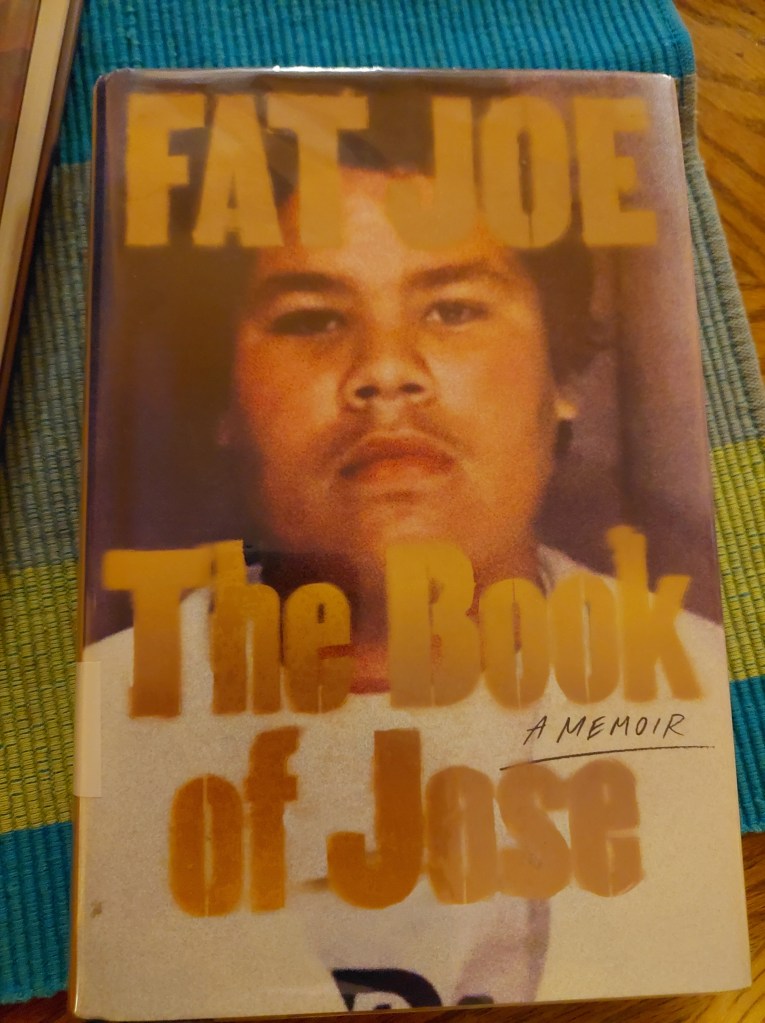
 The Arts Are Life